The Great American Speed Paradox: Why We Rule the Sprints But Can't Touch the Distance Kings
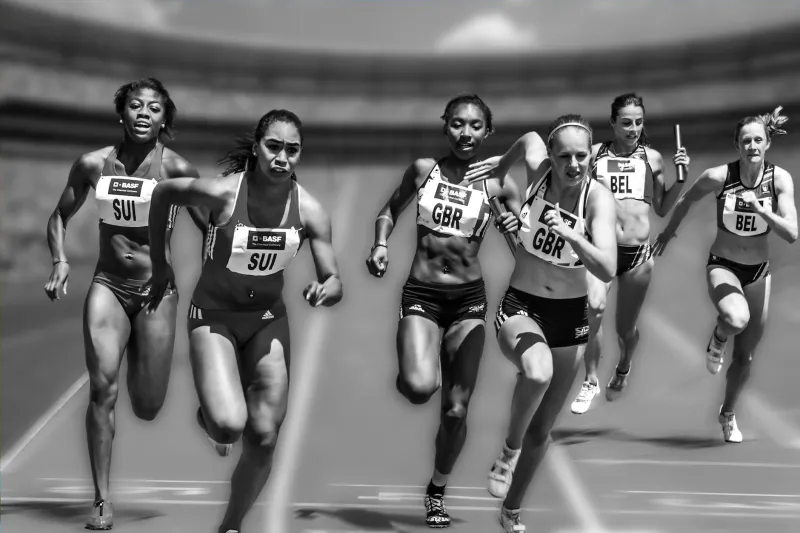
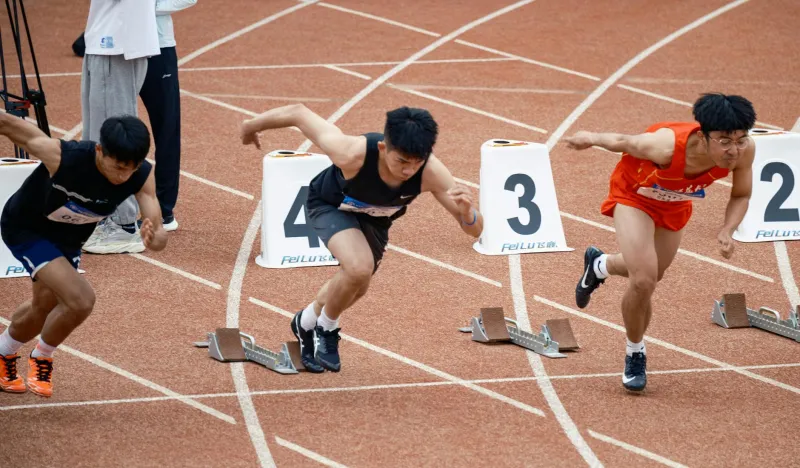
Walk into any American high school and you'll find kids dreaming of becoming the next great sprinter. The 100 meters, 200 meters, and 400 meters — these are the glamour events where American athletes have historically dominated, from Jesse Owens to Carl Lewis to Allyson Felix. But ask those same kids about running a marathon or competing in the 10,000 meters, and you'll get blank stares.
 Photo: Carl Lewis, via img.olympicchannel.com
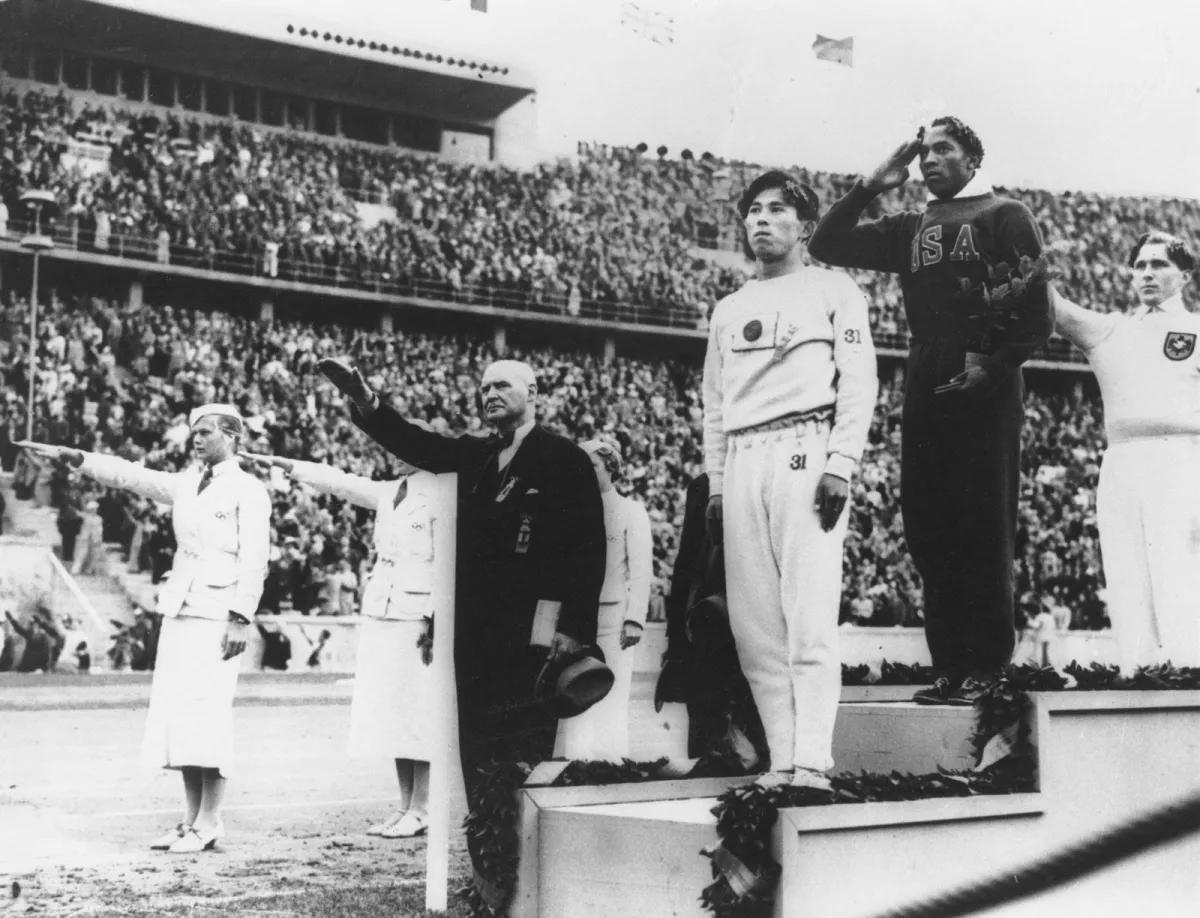 Photo: Jesse Owens, via cdn.britannica.com
Meanwhile, in the highlands of Kenya and Ethiopia, children grow up running to school at altitudes that would leave most Americans gasping for air. They dream not of explosive speed but of rhythmic endurance, of racing for 26.2 miles or 25 laps around a track. And increasingly, they're the ones standing atop Olympic podiums while American distance runners watch from the couch.
This isn't coincidence — it's the result of geography, culture, and history converging to create one of sport's most fascinating divides.
The Numbers Don't Lie
Since 1984, American men have won 14 Olympic gold medals in sprints (100m, 200m, 400m) but exactly zero in distance events longer than 1500 meters. American women have claimed 12 sprint golds in that same period while managing just one distance gold — Joan Benoit's marathon victory in 1984.
Contrast that with Kenya and Ethiopia, who between them have won 34 Olympic distance golds since 1984 while claiming exactly zero individual sprint medals. It's as if the two regions exist in completely different athletic universes.
The marathon statistics are even more stark. Of the last 20 men's Olympic marathon medals (spanning five Games), exactly one has gone to a non-African athlete. In major marathons like Boston, Chicago, and New York, African athletes routinely occupy 8-10 spots in the top 10, with Americans often struggling to crack the top 20.
The Altitude Advantage: Nature's Training Camp
The most obvious explanation for East African distance dominance lies 7,000 feet above sea level, where the air contains 25% less oxygen than at sea level. Most elite Kenyan and Ethiopian runners grow up and train in conditions that force their bodies to become incredibly efficient at processing oxygen.
The Rift Valley region of Kenya, home to most of the world's best distance runners, sits at altitudes between 6,000 and 8,000 feet. Children there don't just live at altitude — they run at altitude, often covering 5-10 miles daily just getting to and from school. By the time they're teenagers, their bodies have adapted in ways that give them massive advantages when they compete at sea level.
 Photo: Rift Valley, via i.pinimg.com
American distance runners, by contrast, mostly train at or near sea level. Even those who seek out altitude training typically spend only weeks or months at elevation, not their entire lives. The physiological adaptations that come from generational exposure to thin air simply can't be replicated through temporary training camps.
Cultural Foundations: Running as Transportation vs. Sport
In rural Kenya and Ethiopia, running isn't just sport — it's transportation. Children routinely run 10-15 kilometers to school each day, not as training but as necessity. This creates a massive base of aerobic fitness that becomes the foundation for elite performance later.
American children, by contrast, are driven to school, driven to practice, and driven to competitions. Our culture has engineered physical activity out of daily life, replacing the natural endurance base that East African children develop automatically.
The cultural attitude toward distance running differs dramatically as well. In Kenya, successful marathoners become national heroes, wealthy by local standards, and role models for entire communities. Running offers a legitimate path out of poverty that motivates thousands of young athletes.
In America, distance running is often viewed as punishment — something football players do when they mess up, or a necessary evil for staying in shape. The glamour sports are football, basketball, and baseball, where the biggest money and cultural cachet exist.
The Genetics Question: Controversial but Compelling
Discussing genetic advantages in sport makes people uncomfortable, but the evidence is difficult to ignore. The majority of elite East African distance runners come from specific ethnic groups — particularly the Kalenjin people of Kenya, who represent less than 0.1% of the world's population but have produced a disproportionate number of world-class runners.
Research has identified several physiological characteristics common among elite East African runners: longer, thinner legs relative to body size; smaller calf muscles that require less oxygen; and more efficient running biomechanics. These traits, combined with altitude adaptation, create a powerful combination for distance running success.
American athletes, drawn from a much more genetically diverse population, don't share these specific adaptations. However, this same genetic diversity may actually advantage American sprinters, who can draw from a broader range of body types and muscle fiber compositions.
The Sprint Advantage: Why America Dominates Short Speed
While East Africa's advantages in distance running are clear, America's sprint dominance has its own explanations. The American sports system, particularly at the high school and college levels, is uniquely suited to developing explosive speed.
American football, despite its problems, creates an enormous pool of athletes with the precise physical attributes needed for sprinting: explosive power, quick acceleration, and the muscle fiber types that generate maximum speed. Many of America's greatest sprinters, from Bob Hayes to Tyson Gay, were football players first.
The American collegiate system also provides a development pathway that doesn't exist elsewhere. Track and field scholarships allow athletes to train full-time while receiving world-class coaching and facilities. This system has produced generation after generation of world-class sprinters.
Training Philosophy: Speed vs. Endurance
American track and field culture emphasizes power, technique, and short-burst training. Our coaches excel at developing the biomechanics of efficient sprinting, the explosive strength needed for maximum speed, and the technical precision required for world-class times.
East African distance training, by contrast, emphasizes volume, consistency, and aerobic development. Kenyan runners routinely log 140-160 miles per week, often at paces that would challenge recreational marathoners. Their training is built around developing the aerobic engine needed for sustained speed over long distances.
These different approaches reflect the events each region prioritizes and the physiological demands of those events. You can't train for the 100 meters the same way you train for the marathon, and each culture has optimized for its strengths.
The Economic Factor: Where the Money Flows
Money talks in athletics, and it's been talking loudly about sprints in America for decades. Corporate sponsors pay premium dollars for sprinters who can become household names during the Olympics. The marketing appeal of the "world's fastest human" creates economic incentives that don't exist for distance runners.
In East Africa, the opposite is true. Marathon prize money and appearance fees create genuine wealth for distance runners. The Boston Marathon winner earns $150,000, and elite marathoners can make comfortable livings running 2-3 major races per year.
This economic reality shapes where young athletes focus their energy. American kids see sprinters getting Nike contracts and Olympic fame, while East African kids see marathoners buying houses and supporting entire extended families.
Can the Gap Ever Close?
American distance running has shown occasional signs of life — Galen Rupp's Olympic medals, Ryan Hall's brief marathon success, and the recent emergence of athletes like Clayton Young suggest the gap isn't unbridgeable. But closing it would require fundamental changes to American running culture.
Similarly, East African sprinting remains virtually non-existent at the elite level, suggesting that some advantages are difficult to overcome regardless of effort or investment.
The Beauty of Specialization
Perhaps the real lesson isn't that one approach is better than the other, but that different regions have found their athletic identities through the intersection of geography, culture, and history. American sprinting excellence and East African distance dominance represent two different answers to the question of human athletic potential.
In a world increasingly focused on globalization and standardization, the sprint-distance divide reminds us that local advantages still matter. The thin air of the Rift Valley and the power-focused culture of American athletics have created two distinct athletic traditions that continue to push the boundaries of human performance in their own ways.
The great American speed paradox isn't a problem to be solved — it's evidence that athletic excellence takes many forms, shaped by the unique circumstances that create champions.