Before the Starting Line: The Indigenous Running Legends America Forgot
The Runners Who Came First
Long before Prefontaine tore up the Oregon trails or Boston became a marathon mecca, the American landscape was already home to some of the world's greatest runners. For thousands of years, Indigenous peoples across North America had developed sophisticated running cultures that would make modern ultramarathoners weep with envy.
These weren't casual joggers or weekend warriors. Native American runners covered distances that sound fictional today, carrying messages across hundreds of miles of unforgiving terrain, hunting prey to exhaustion, and competing in ceremonial races that could last for days.
The Tarahumara: America's Original Ultra-Runners
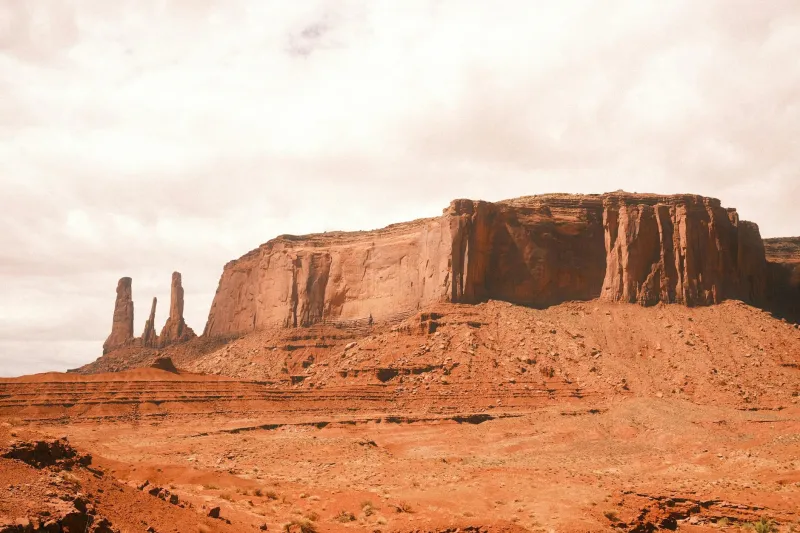
In the rugged canyons of Mexico's Sierra Madre, the Tarahumara people developed perhaps the most famous Indigenous running culture in North America. Known as the Rarámuri—literally "foot runners"—they regularly covered 200-mile distances through mountainous terrain that would challenge modern trail runners with GPS and energy gels.
 Photo: Sierra Madre, via static.wixstatic.com
Their technique was revolutionary: a forefoot strike that modern running coaches have only recently rediscovered, combined with a relaxed upper body that conserved energy over impossible distances. They ran in thin sandals made from tire rubber, or sometimes barefoot, developing the kind of foot strength that American runners have lost to cushioned shoes.
But the Tarahumara were just one example. Similar running traditions existed across the continent, from the Hopi mesas of Arizona to the forests of the Northeast.
The Message Runners of the Southwest
Pueblo peoples developed an intricate communication network based entirely on human runners. Young men trained from childhood to carry messages between villages separated by 50 or 100 miles of desert. These weren't sprints—they were sustained efforts that required the kind of aerobic base that modern coaches spend years trying to build.
Hopi runners would leave at dawn and arrive at distant villages by sunset, carrying news, trade information, and ceremonial invitations. They navigated by landmarks, ran through extreme heat, and maintained pace over terrain that would destroy most modern athletes' knees within miles.
The training was systematic and scientific. Boys started with shorter distances, gradually building endurance while learning to read the landscape. They studied wind patterns, water sources, and seasonal changes that affected running conditions. This wasn't primitive athleticism—it was sophisticated sports science developed over centuries.
The Persistence Hunters
Perhaps the most impressive Indigenous running tradition was persistence hunting—chasing large game animals until they collapsed from exhaustion. Plains tribes like the Pawnee and Cheyenne could run down buffalo, antelope, and deer over distances that sometimes exceeded 20 miles.
The technique required perfect pacing, teamwork, and an understanding of animal psychology that modern hunters can barely comprehend. Runners worked in relay teams, maintaining pressure on their prey while conserving energy for the final sprint. They could read tracks like a GPS system, predicting where wounded or tired animals would head next.
These hunts weren't desperate survival tactics—they were celebrations of human endurance that turned running into an art form. The fastest and most skilled runners held positions of honor in their tribes, respected for abilities that transcended mere athleticism.
The Exclusion from Olympic Dreams
When American track and field began organizing in the late 1800s, Indigenous runners were systematically excluded from competition. Jim Thorpe's victories in the 1912 Olympics were celebrated, but he was stripped of his medals for technical violations that wouldn't have affected white athletes.
More importantly, the broader Indigenous running culture was ignored entirely. While American coaches imported European training methods and techniques, they overlooked the sophisticated endurance traditions that had existed on this continent for millennia.
The exclusion wasn't just social—it was philosophical. American athletics embraced the European model of specialized, measured competition. Indigenous running was holistic, spiritual, and practical. The two worldviews couldn't coexist in the same sporting system.
What We Lost
The systematic exclusion of Indigenous running traditions represents one of American sports' greatest missed opportunities. While we struggled to develop distance running programs that could compete internationally, we ignored techniques and training methods that had produced superhuman endurance for centuries.
Modern sports science has rediscovered many Indigenous innovations: forefoot striking, high-fat diets for endurance, altitude training, and the mental techniques needed for ultra-distance events. But these "discoveries" came decades or centuries after Native peoples had perfected them.
The Modern Renaissance
Today, a new generation of Indigenous athletes is reclaiming their running heritage. The Wings of America program develops Native American youth through traditional running practices combined with modern training science. Indigenous runners are appearing at the highest levels of American distance running, from high school cross country to the Olympic Trials.
More importantly, non-Indigenous Americans are finally recognizing what was here all along. The barefoot running movement, ultramarathoning culture, and trail running explosion all draw inspiration from Indigenous traditions that predate the Olympics by thousands of years.
Rewriting the American Running Story
The real story of American running doesn't begin with European immigrants or Olympic dreams. It starts with Indigenous peoples who understood that running was more than sport—it was survival, communication, ceremony, and art rolled into one.
Recognizing this history doesn't just honor the past—it enriches our understanding of what American running could become. The techniques, philosophies, and pure endurance capabilities of Indigenous runners offer lessons that modern athletes are still learning to appreciate.
Every time an American distance runner breaks a barrier or sets a record, they're building on a foundation that was laid thousands of years before the first starting gun ever fired.