From Leather to Carbon: The Long, Strange Trip of the Running Shoe and What It Did to the Record Books
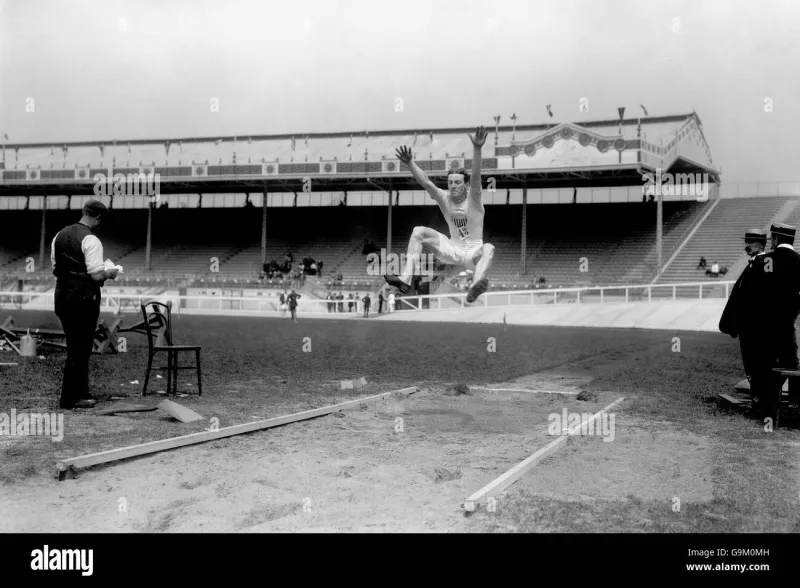
In the 1904 Olympic marathon, a man named Thomas Hicks finished first while hallucinating from a combination of strychnine, brandy, and severe dehydration. He was wearing leather shoes with hard soles. He ran 24.85 miles in 3 hours and 28 minutes, which was considered a serious athletic achievement at the time.
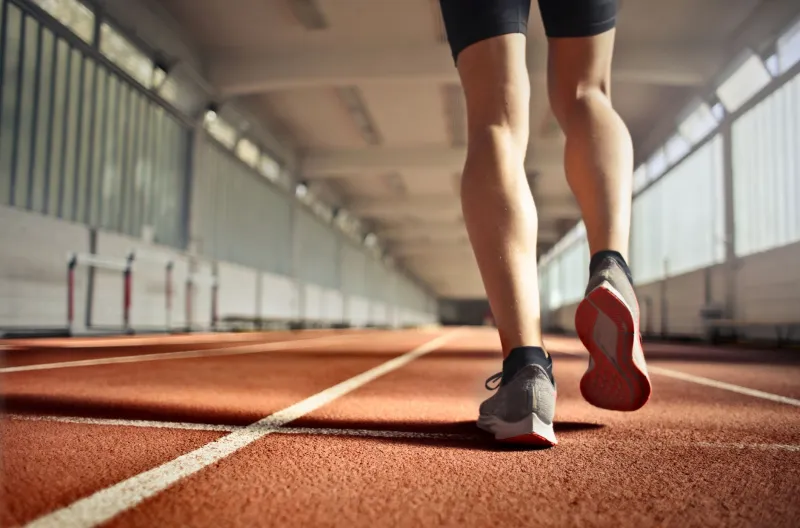
In 2023, Kelvin Kiptum ran a full 26.2-mile marathon in 2:00:35, wearing shoes that contain a curved carbon-fiber plate embedded in a thick foam midsole specifically engineered to return energy to the runner with every stride.
The difference between those two performances is 88 minutes. Some of that gap is training science. Some is nutrition. Some is the depth of global competition. But a meaningful slice of it — more than most people are comfortable admitting — is the shoe.
Ancient Feet, Minimal Gear
The runners of ancient Greece competed barefoot. This wasn't a philosophical statement about natural movement — it was simply the norm. The stadion race at Olympia, the original Olympic event, was run on packed earth by athletes who had never worn a performance shoe in their lives. Their preparation was extensive, their diets were monitored, their technique was coached. But their feet touched the ground directly.
Roman athletes and soldiers sometimes wore sandals with leather straps, but competitive running remained largely a barefoot pursuit through the ancient world. When the modern Olympics were revived in Athens in 1896, competitors wore basic leather shoes with minimal cushioning and no meaningful energy return. The technology was barely an upgrade from sandals in terms of performance benefit.
For the first half of the 20th century, running shoes evolved slowly. Leather gave way to canvas. Thin rubber soles replaced hard leather. Spikes were added for track events. The improvements were real but incremental — better grip, lighter materials, more consistent fit. World records fell during this period, but they fell because of better training, more competition, and improved understanding of athletic physiology. The shoe was a minor variable.
The Nike Revolution and the Waffle Sole
The first genuinely disruptive moment in running shoe history came in the early 1970s, when Nike co-founder Bill Bowerman poured rubber into a waffle iron and created a sole pattern that changed how shoes interacted with the ground. It sounds like a Silicon Valley origin myth — because it basically is one. But the waffle sole was a real innovation that improved traction and cushioning in ways that previous designs hadn't achieved.
What followed over the next three decades was an escalating arms race between shoe manufacturers — Nike, Adidas, New Balance, ASICS, and others — competing to shave weight, improve cushioning, and optimize fit. Midsole foam became a primary battleground. EVA foam, then polyurethane, then increasingly exotic compounds each promised better energy return and reduced fatigue.
Marathon world records fell steadily through the 1980s and 1990s, and track records followed. The shoes were getting better. The athletes were getting better. It was nearly impossible to separate the contributions.
The Carbon Plate Changes Everything
Then came 2016, and Nike's Vaporfly.
The Vaporfly introduced a curved carbon-fiber plate embedded within a thick, highly responsive foam midsole. The plate acts like a spring, storing energy at toe-off and releasing it forward with each stride. Independent research published in the journal Sports Medicine estimated that the shoe improved running economy — the energy cost of running at a given pace — by approximately four percent. In a sport where world records fall by fractions of a second, four percent is enormous.
What followed was immediate and undeniable. Eliud Kipchoge broke the two-hour marathon barrier in a controlled time trial in 2019, wearing a prototype version of the shoe. He then broke the official world record in Vienna wearing a commercially available variant. The record has since been broken again by Kiptum. Every major marathon world record set since 2017 has been run in carbon-plated shoes.
On the track, similar patterns emerged. Distance world records began falling in shoes featuring carbon plates and advanced foam compounds. The correlation was too consistent to dismiss.
The Fairness Question
World Athletics, the international governing body for track and field, responded by setting regulations on shoe stack height and plate configuration. They drew a line — somewhat arbitrarily — at what constitutes legal equipment versus technological doping. The rules allow carbon-plated shoes within certain specifications. They ban others.
But the underlying question remains unresolved, and American athletics fans are starting to ask it more loudly: when we say a runner broke a world record, what exactly are we celebrating?
The honest answer is that we're celebrating a combination of human and machine. We always have been, to some degree — better tracks, better starting blocks, better training facilities all contributed to faster times throughout the 20th century. Carbon-plated shoes are a difference of degree, not of kind.
But the degree matters. A four-percent improvement in running economy is not a marginal equipment benefit. It's a structural advantage that didn't exist before 2016. Records set before that year and records set after it are not perfectly comparable, and pretending otherwise does a disservice to both the athletes and the history.
Racing the Record, or Racing the Shoe?
None of this diminishes what elite runners are doing. Kipchoge and Kiptum are extraordinary athletes performing at a level that no equipment alone could produce. The shoe helps. It doesn't run the race.
But as equipment continues to evolve — and it will, because the commercial incentives are massive — the sport will keep confronting this question. At some point, the line between athletic achievement and engineering achievement may become impossible to draw clearly.
For now, the record books keep filling up with faster times. The shoes keep getting better. And somewhere between a barefoot Greek sprinter on packed earth in Olympia and a carbon-plated marathon runner on a closed road in Berlin, the definition of what a world record actually measures has quietly, permanently shifted.