When the Air Fought Back: The Environmental Forces That Stole Olympic Glory From America's Best
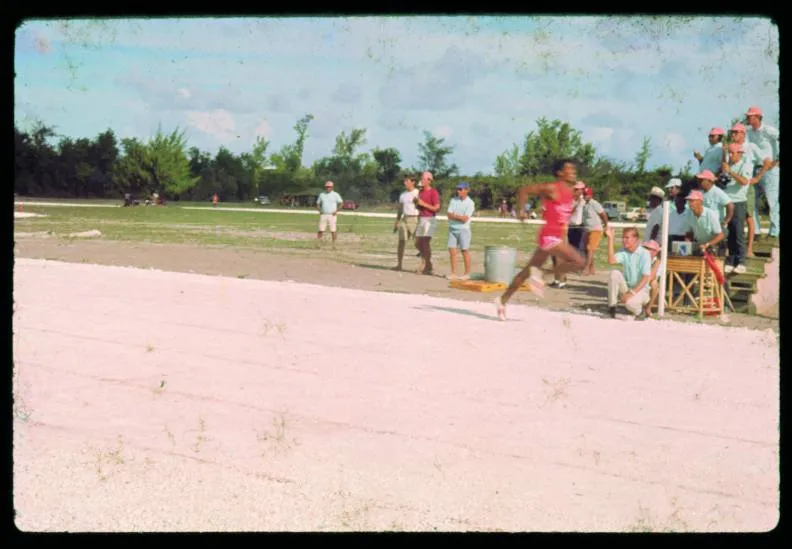
Photo: Trust Territory of the Pacific Islands, Department of Public Affairs, Public Information Office, Public domain, via Wikimedia Commons
When the Air Fought Back: The Environmental Forces That Stole Olympic Glory From America's Best
The stopwatch doesn't care where you are. It doesn't care how thin the air is, how brutal the sun feels, or how many weeks your body spent adjusting to a new elevation. It just runs. And sometimes, when the conditions stack against even the most prepared athlete in the world, the clock tells a story that has very little to do with ability.
American track and field has produced some of the most gifted athletes the world has ever seen. But scattered through the history of the Olympic Games are performances — and painful near-misses — where elite U.S. competitors were undone not by a rival, but by the environment itself. Altitude, heat, and geography have quietly shaped the record books in ways that casual fans rarely consider.
This is the story of when the air fought back.
Mexico City 1968: The Games That Rewrote Physics
No Olympic Games in history have been more defined by their location than Mexico City 1968. Staged at 7,350 feet above sea level, the Games became an unintentional experiment in what altitude does to the human body — and the results were extraordinary, contradictory, and in some cases, devastating.
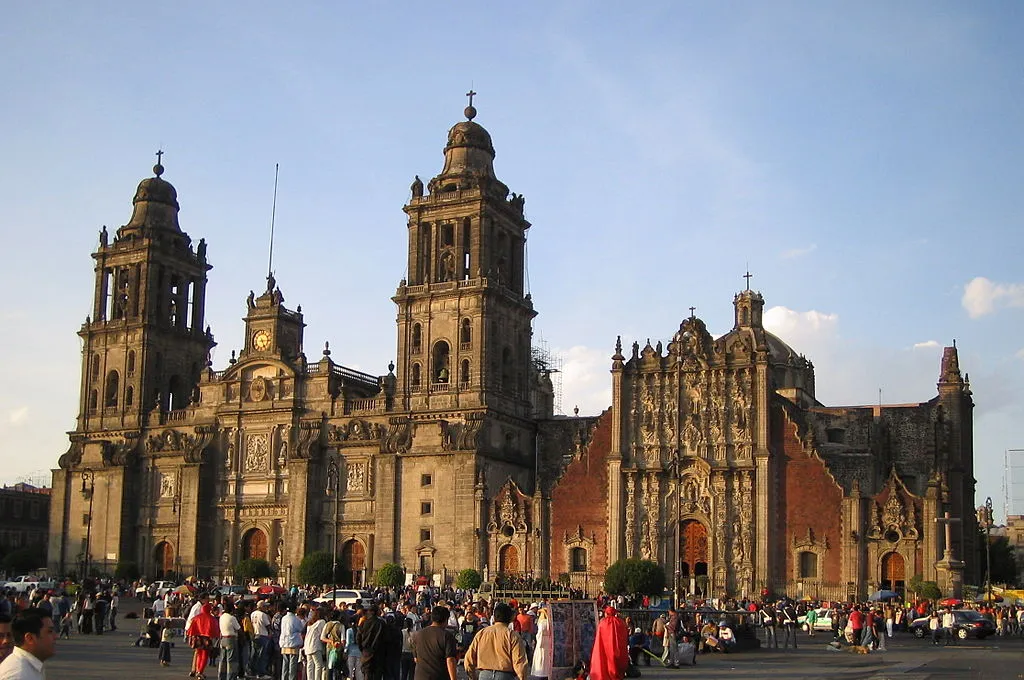 Photo: Mexico City, via www.mexicocity.com
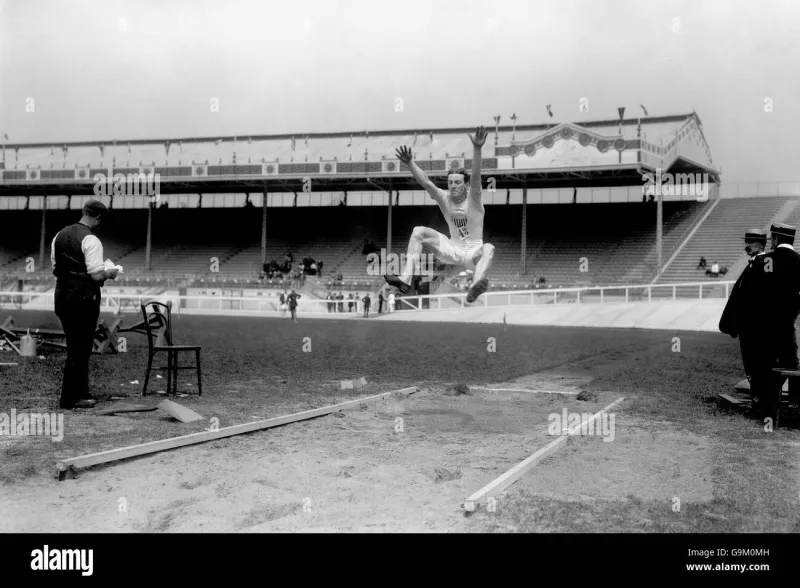
For explosive, anaerobic events — sprints, jumps, throws — the thin air was a gift. Less atmospheric resistance meant the body could move faster, the discus could fly farther, and Bob Beamon could launch himself 29 feet 2.5 inches into the long jump pit in one of the most jaw-dropping athletic moments of the twentieth century. That record stood for 23 years.
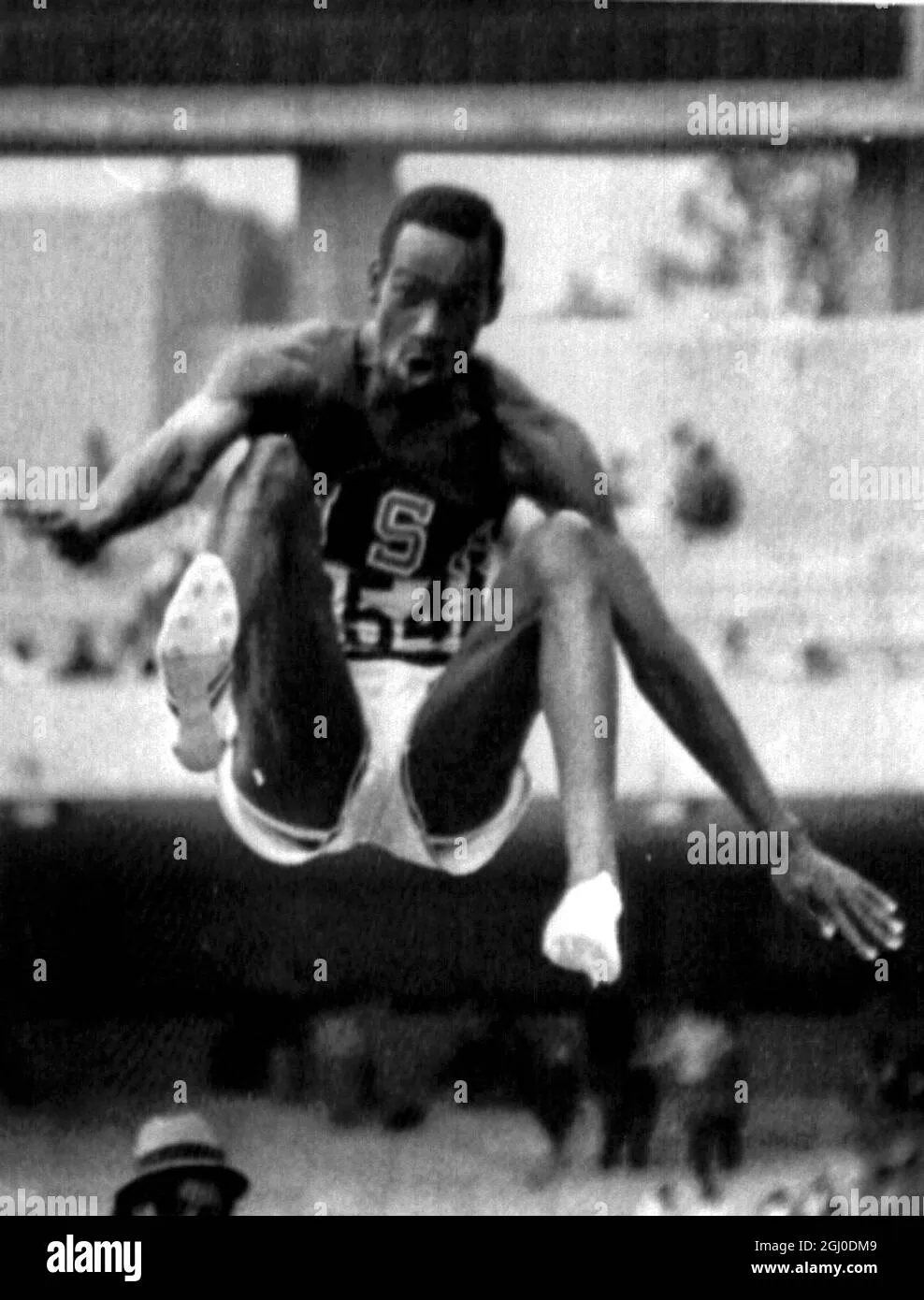 Photo: Bob Beamon, via c8.alamy.com
But for distance runners — athletes whose performance depends on oxygen delivery to working muscles — Mexico City was a wall. The reduced oxygen at altitude meant the body couldn't sustain the same pace it could at sea level. American distance runners who had trained at lower elevations arrived at the Games with world-class fitness and found themselves running in a different physiological universe.
The 10,000 meters at Mexico City produced winning times that would have been considered slow by the standards of the day at sea level. American distance runners, already facing fierce competition from East African athletes who had trained their entire lives at altitude, were doubly disadvantaged. The playing field wasn't level — it was tilted at 7,350 feet, and the tilt favored those who called high ground home.
What makes Mexico City especially complicated for American athletics isn't just the results — it's the counterfactual. How might those races have gone on a flat, sea-level track in the United States? We'll never know. The record books show what happened in the thin air of the Mexican plateau, and that's what history remembers.
The Heat Factor: When Conditions Become the Competition
Altitude gets most of the attention in conversations about environmental disadvantage, but heat has quietly sabotaged just as many performances — and American athletes have been far from immune.
The 1996 Atlanta Games were supposed to be a home-field triumph for U.S. track and field. Held in the American South in late July, they delivered something else: temperatures that regularly pushed into the mid-90s with humidity levels that made the air feel like warm soup. Endurance athletes from cooler climates wilted. Even American runners accustomed to training in warm conditions found the race-day heat a different beast entirely from training conditions.
The marathon at those Games — won by South Africa's Josia Thugwane in one of the closest finishes in Olympic history — saw a significant portion of the field fail to finish. American distance runners who had prepared extensively found themselves battling dehydration and heat exhaustion alongside the actual competition.
Heat doesn't just slow athletes down. It forces strategic decisions that wouldn't exist in neutral conditions. Do you go out with the lead pack and risk blowing up? Do you hold back and hope to close? Every calculation changes when the temperature is a competitor.
The Altitude Advantage That Wasn't Available to Everyone
One of the more quietly discussed aspects of the 1968 Mexico City Games is how they accelerated altitude training as a standard preparation tool — but that shift didn't happen overnight, and American athletes who competed in Mexico City didn't all have equal access to high-altitude preparation beforehand.
East African runners — particularly from Kenya and Ethiopia — weren't just acclimatized to altitude. They had grown up at altitude, developed at altitude, and raced at altitude their entire lives. Their physiology had adapted over years in ways that weeks of pre-competition altitude camp simply cannot replicate.
American middle and long-distance runners in the 1960s were, in many cases, working with training frameworks that hadn't yet fully incorporated altitude science. The sport was learning in real time. Some athletes had access to high-altitude training camps in Colorado or New Mexico. Many did not. The preparation gap was real, and it showed up in the results.
Bad Luck Has a Name, Too
Beyond altitude and heat, plain bad luck has robbed American athletes of records and medals in ways that environmental science can't fully explain.
Wind readings have disqualified sprint performances that would have stood as world records. Rain-soaked tracks have turned potential golden races into survival exercises. Scheduling quirks have forced athletes to compete in the hottest part of the day when earlier heats were run in cooler morning conditions. These aren't dramatic stories — they don't make highlight reels — but they accumulate into a quiet ledger of performances that deserved better from the universe.
The 1972 Munich Games saw American sprinter Eddie Hart — one of the co-world record holders in the 100 meters at the time — miss his quarterfinal heat due to a scheduling error. He never got his chance. The record books don't have a column for "athlete who would have contended if he'd made it to the start line."
What the Record Books Don't Tell You
Every world record and Olympic result exists in a specific context — a specific city, elevation, temperature, and set of atmospheric conditions. The numbers look clean and permanent in the history books, but behind each one is an environment that either helped or hurt the athletes who produced them.
For American track and field fans, understanding that context means appreciating not just who won, but what they were running through. Some of the greatest performances in U.S. athletic history happened in conditions that worked against the athletes producing them. And some of the records that got away — the gold medals that landed somewhere else — might tell a different story if you change the altitude by a few thousand feet.
The clock runs the same everywhere. The air absolutely does not.