No Stopwatch, No Problem: How Ancient Greece Remembered Athletic Greatness Without a Single Number
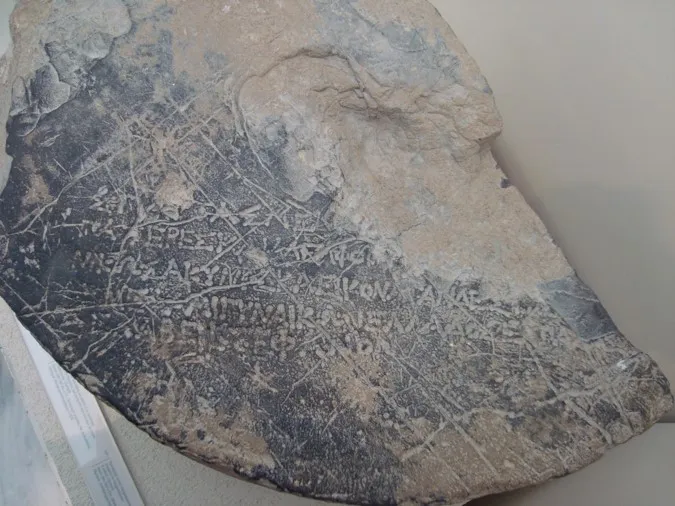
Photo: Peter J. Miller, CC BY-SA 4.0, via Wikimedia Commons
Open any modern sports app and you'll be buried in numbers within seconds. Split times. Pace averages. Distance records broken down to the hundredth of a second. We have quantified athletic achievement so thoroughly that the numbers have become the story — sometimes more than the athletes themselves.
The ancient Greeks had none of that. And they still managed to build a sporting culture that lasted nearly twelve centuries.
How they remembered greatness — and what they chose to remember — tells us something important not just about ancient Greece, but about what we've gained and lost in our own obsession with measurable performance.
The Scoreboard That Never Existed
The ancient Olympic Games began in 776 BC in Olympia, a sanctuary in the western Peloponnese dedicated to Zeus. From that first recorded Games — a single footrace called the stadion, roughly 200 meters long — through the sprawling multi-event festival it eventually became, the Greeks kept no performance statistics in any form we'd recognize.
There were no official times. No measured distances. No ranked lists of previous champions. A javelin throw was judged by where it landed relative to other throws on the same day. A footrace was decided by who crossed the line first. The margin of victory, the pace of the race, the distance of the throw — none of it was formally recorded, because none of it was considered the point.
What was recorded was the winner. Just the winner.
Victory Odes: The Original Highlight Reel
If you wanted to preserve athletic glory in ancient Greece, you hired a poet. And not just any poet — the best available. Pindar, writing in the fifth century BC, composed elaborate odes celebrating Olympic victors that were performed publicly and passed down through generations. These weren't simple congratulations. They were complex, allusive works that wove the athlete's triumph into mythological tradition, connecting a wrestler from Aegina or a charioteer from Syracuse to the heroes of Greek legend.
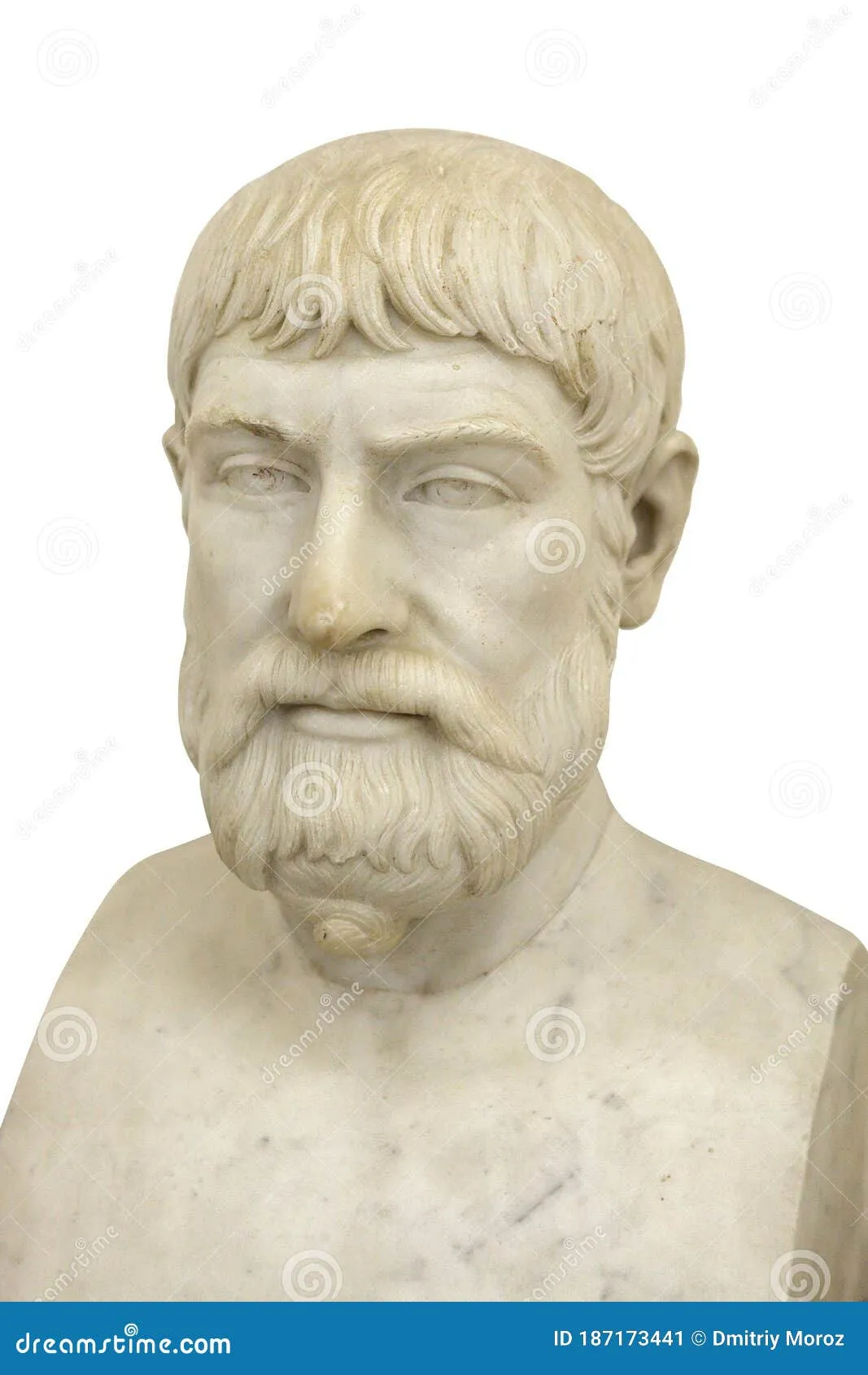 Photo: Pindar, via thumbs.dreamstime.com
The victory ode was the ancient world's version of the highlight package, the ESPN profile, and the Hall of Fame induction speech rolled into one. It was expensive, prestigious, and designed to last. And crucially, it contained almost no performance data. Pindar didn't tell you how far the discus flew. He told you what the victory meant — to the athlete, to his city, to the gods.
This wasn't an accident or a technological limitation. It was a philosophical choice. Greek athletic culture understood victory as a demonstration of divine favor and human excellence, not as a measurable output. The gods didn't care about your split times. They cared about who crossed the line first.
Stone and Memory: The Other Record Systems
Beyond poetry, the Greeks used two other primary methods for preserving athletic achievement: stone inscriptions and oral tradition.
Inscriptions at Olympia and other Panhellenic sites recorded the names of victors, sometimes across multiple Games. These weren't performance databases — they were honor rolls. A champion's name carved in stone at Olympia was the ancient equivalent of having your jersey retired. It announced to every visitor, across every generation, that this person had stood in this place and won.
Oral tradition did the rest. Stories of great athletes circulated through Greek society the way sports legends travel today — retold, embellished, and passed from generation to generation. The wrestler Milo of Croton, who reportedly won six consecutive Olympic titles, became so legendary that stories of his strength grew increasingly mythological over time. He supposedly carried a bull on his shoulders. He allegedly ate forty pounds of meat a day. Whether any of it was true mattered less than what it communicated: this man was extraordinary, and we want you to know it.
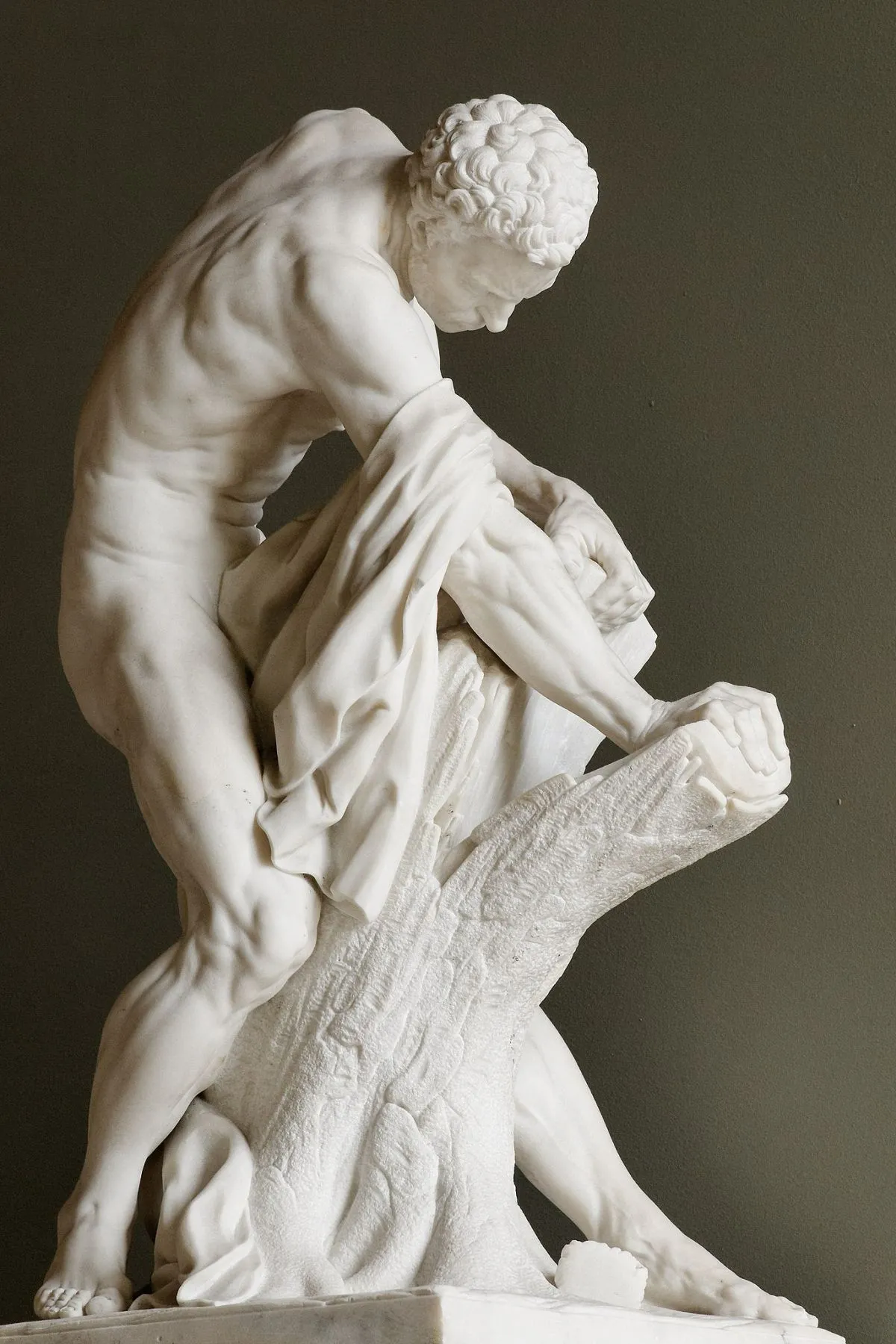 Photo: Milo of Croton, via imperiumromanum.pl
The absence of numbers didn't create a vacuum. It created space for something arguably more powerful — narrative.
What We Lost When We Started Counting
The modern obsession with quantified athletic performance began to take serious shape in the nineteenth century, as stopwatch technology improved and international competition created demand for standardized comparison. By the time the modern Olympics launched in 1896, records were already central to the enterprise. Athletes competed not just to win on the day, but to post times and distances that could be measured against performances from other countries, other eras.
This was genuinely transformative. The ability to compare performances across time and geography created new forms of motivation, new standards of excellence, and ultimately the global record-chasing culture that drives modern sport. Knowing that the 1500 meters world record stands at 3:26.00 tells you something real and useful about human capability.
But it also changed what we celebrate. When every performance is a number, the narrative around athletes shifts subtly toward output and away from meaning. A runner who finishes second in a world record race can become almost invisible in the data, despite producing what might be the second-fastest performance in history. Ancient Greek athletic culture would have found that strange. The man who came second was simply the man who came second — notable, but not the story.
The American Mirror
For a country as statistically obsessed as the United States, the ancient Greek model is almost impossible to imagine. American sports culture is built on records. We track batting averages across decades, debate whether athletes from different eras can be meaningfully compared, and build entire industries around sports analytics. The number is how we prove the point.
And yet there's something in the Greek approach that modern athletes and fans occasionally rediscover — usually in the moments that matter most. Nobody at the finish line of a great race is thinking about split times. The crowd doesn't roar for the data. It roars for the human being crossing the line, the story that got them there, the meaning of the moment.
The Greeks just built their entire record-keeping system around that instinct, and let the numbers take care of themselves.
Maybe they were onto something.