The Race America Couldn't Win: How a Small Country Called Kenya Exposed the Limits of U.S. Distance Training
The Race America Couldn't Win: How a Small Country Called Kenya Exposed the Limits of U.S. Distance Training
In 1968, American distance running was on top of the world. The U.S. had just swept the steeplechase at the Mexico City Olympics, American marathoners were setting world records, and the nation's track programs were the envy of international competitors. Then a Kenyan named Kipchoge Keino won the 1500 meters, running at altitude with a style that seemed to defy everything American coaches thought they knew about distance racing.
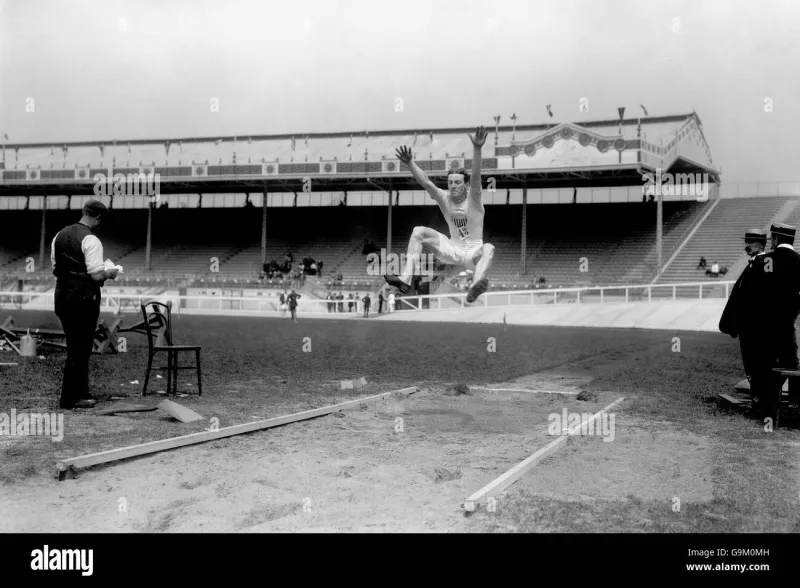
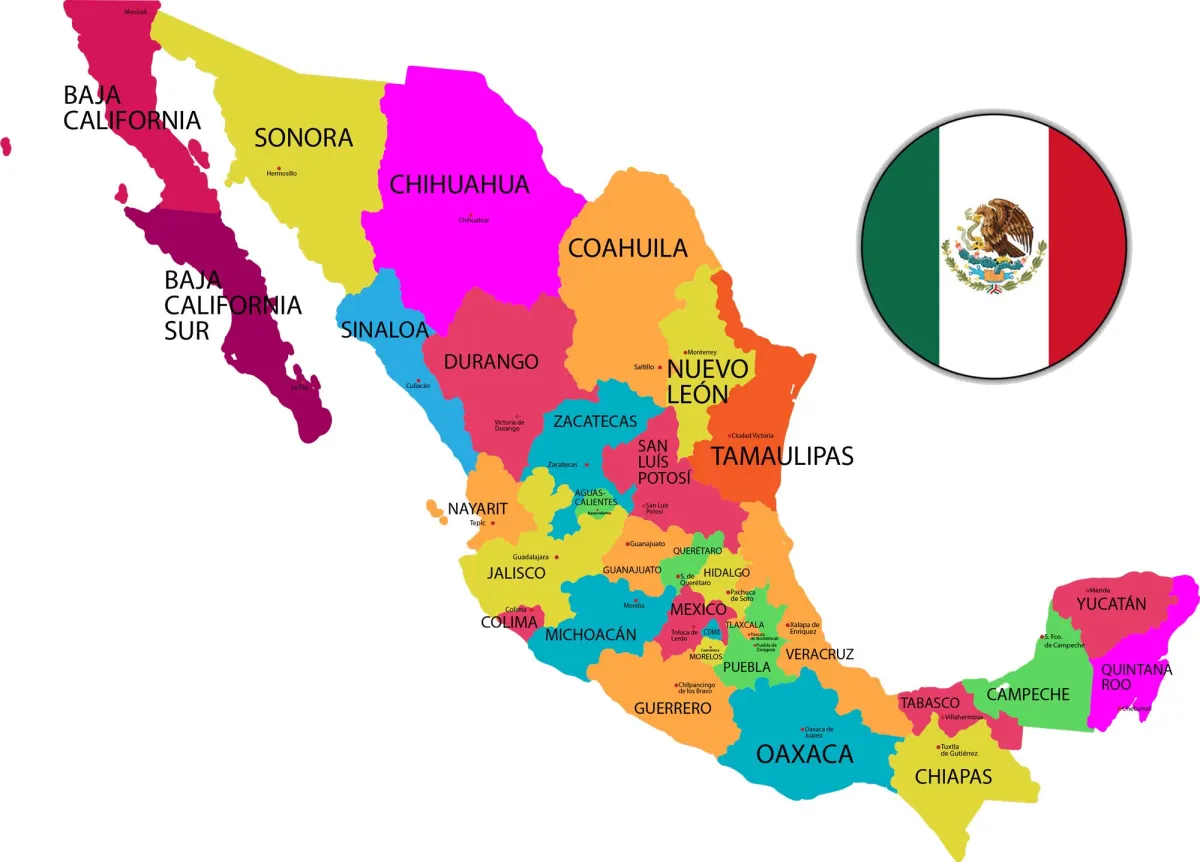 Photo: Mexico City Olympics, via www.viajabonito.mx
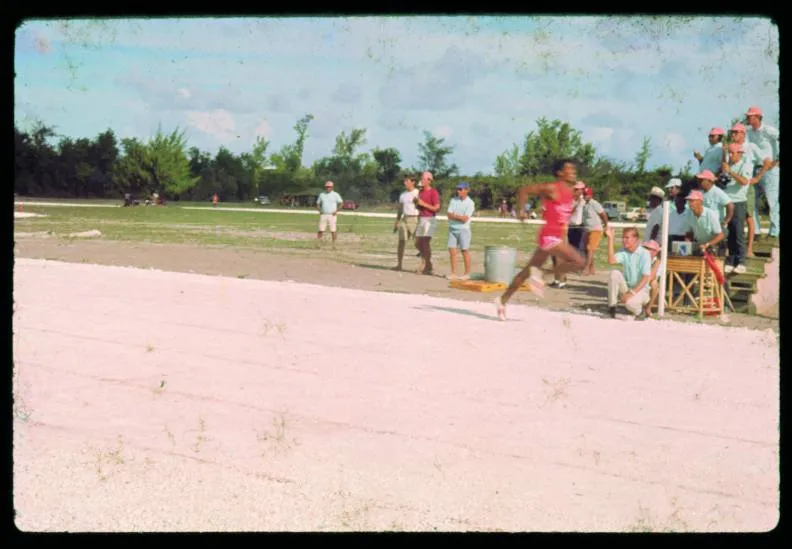
 Photo: Kipchoge Keino, via res.cloudinary.com
It was the beginning of the end of American distance dominance — and the start of a humbling education about the limits of technology, money, and traditional training methods.
America's Golden Age of Distance
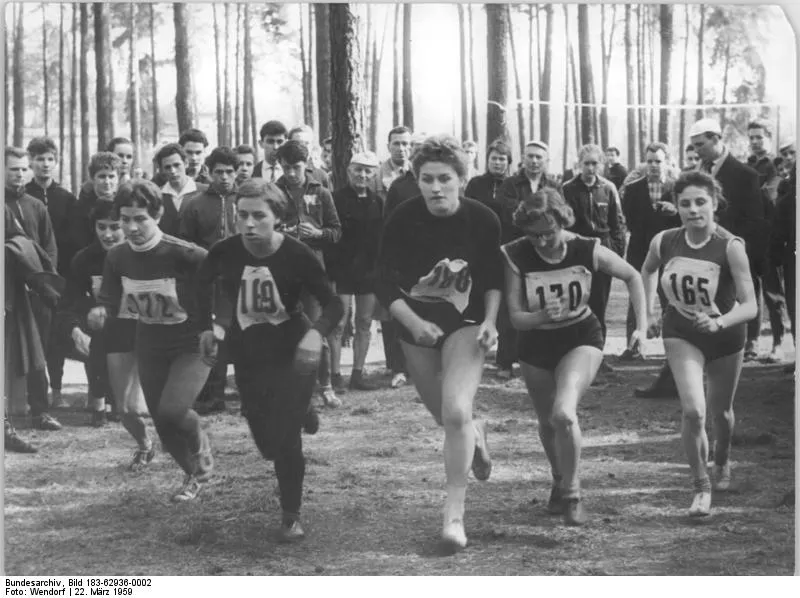
To understand the magnitude of what happened next, you need to appreciate just how dominant American distance runners had been. From the 1900s through the 1960s, the United States produced a steady stream of world-class milers, marathoners, and steeplechasers who competed with — and often beat — the best Europe had to offer.
American distance success was built on the foundation of collegiate athletics. Universities provided scholarships, coaching, facilities, and competition opportunities that simply didn't exist elsewhere in the world. The NCAA system created a pipeline of talent that fed into the Olympic team and professional racing circuits.
By the 1960s, American distance training had become increasingly sophisticated. Coaches were experimenting with interval training, altitude training, and scientific approaches to nutrition and recovery. The U.S. had money, facilities, and expertise that most countries could only dream of.
Enter the Kalenjin
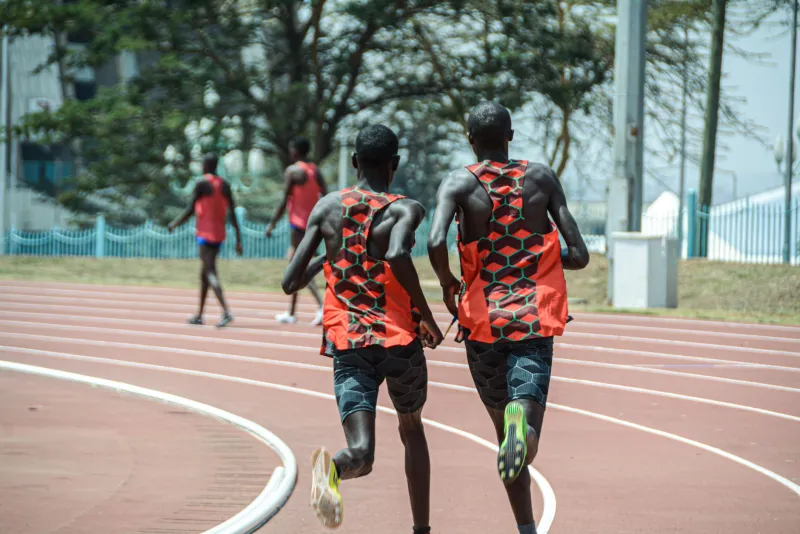
Kenya's rise didn't happen overnight, but it seemed that way to stunned American observers. The first Kenyan Olympic medals in distance events came in 1964, but the real revolution began in the 1970s and accelerated through the 1980s and 1990s.
What made Kenya's dominance so shocking wasn't just that they were winning — it was how easily they were winning. Kenyan runners didn't just beat Americans; they made American distance runners look like they were running in quicksand.
The numbers tell the story. In 1968, the American mile record was 3:51.1, set by Jim Ryun. By 2000, the Kenyan mile record was 3:43.13, run by Noah Ngeny. The gap had widened from competitive to embarrassing.
The Great American Analysis
American coaches and sports scientists went into overdrive trying to explain Kenya's success. They studied everything: altitude training (Kenya's high-altitude training grounds), genetics (the dominance of the Kalenjin ethnic group), biomechanics (the efficient running style of Kenyan athletes), and even diet (the simple, carbohydrate-rich meals that fueled Kenyan runners).
The analysis revealed uncomfortable truths about American distance training. While the U.S. had been perfecting scientific training methods in climate-controlled facilities, Kenyan runners were developing their aerobic systems through a childhood of running to school at 7,000 feet above sea level.
While American runners were following periodized training plans designed by exercise physiologists, Kenyan athletes were learning to run by running — lots of miles, at various paces, guided by feel rather than heart rate monitors.
The Infrastructure Paradox
Perhaps the most humbling realization was that Kenya's lack of infrastructure might actually have been an advantage. While American distance runners trained on synthetic tracks and treadmills, Kenyans ran on dirt roads and mountain trails that developed different muscle groups and movement patterns.
While Americans relied on sports drinks and scientifically formulated nutrition plans, Kenyans thrived on simple foods and learned to fuel their bodies intuitively. While American runners wore the latest in running shoe technology, many Kenyans had developed their running economy while running barefoot or in minimal footwear.
The irony was inescapable: all of America's advantages in sports science, technology, and resources had somehow produced runners who were slower and less efficient than athletes who trained with none of those benefits.
Cultural Differences in Competition
The cultural approach to distance running revealed another gap in American understanding. While American distance running had become increasingly individualized, with personal coaches and customized training plans, Kenyan runners trained in groups that pushed each other to extraordinary levels.
The Kenyan training culture embraced suffering in a way that American athletes, raised in comfort and safety, struggled to match. Kenyan runners routinely trained through pain and fatigue that would send American athletes to sports medicine clinics.
Most significantly, for many Kenyan runners, success in distance running represented a path out of poverty that simply didn't exist for middle-class American college athletes. The motivation levels were fundamentally different.
The American Response
American distance running responded to the Kenyan challenge in typically American fashion — with more technology, more analysis, and more systematic approaches. Training camps were established in Kenya and other high-altitude locations. American runners began training with Kenyan groups. Sports scientists studied Kenyan runners in laboratories.
Some of these efforts produced marginal improvements, but they never closed the fundamental gap. American distance runners became faster than they had been in the 1970s, but Kenyan runners improved even more dramatically.
The Genetic Question
The role of genetics in Kenyan distance running success became a controversial but unavoidable part of the discussion. Research suggested that certain populations, particularly the Kalenjin people of Kenya's Rift Valley, possessed genetic advantages for distance running — longer legs relative to body size, more efficient oxygen utilization, and muscle fiber compositions suited for endurance activities.
This genetic component added another layer of complexity to American attempts to compete. No amount of training innovation or technological advancement could overcome fundamental physiological differences.
Modern Realities
Today, the gap between Kenyan and American distance runners remains substantial. In major marathons around the world, the top finishers are overwhelmingly East African. American distance runners who would have been world-class in the 1970s struggle to make Olympic teams in the 2020s.
The American response has evolved from trying to beat Kenyans to trying to learn from them. American training programs now incorporate elements of Kenyan training philosophy — higher mileage, more running on varied terrain, and greater emphasis on group dynamics.
Lessons for American Athletics
Kenya's distance running dominance taught American athletics several uncomfortable lessons. First, that money and technology don't automatically translate to athletic success. Second, that cultural approaches to training and competition can be more important than scientific optimization. Third, that natural talent and intrinsic motivation often trump systematic development programs.
Perhaps most importantly, Kenya's success demonstrated that athletic excellence can emerge from unexpected places and in unexpected ways. The assumption that American methods were inherently superior was revealed to be a form of athletic arrogance.
The Ongoing Challenge
American distance running continues to search for ways to narrow the gap with East African runners. New training methods, altitude simulation, and biomechanical analysis all represent attempts to find the secret sauce that will restore American competitiveness.
But the fundamental lesson of the Kenyan revolution may be that there is no secret sauce — just the simple, difficult reality that distance running excellence requires a combination of natural talent, cultural support, and the willingness to embrace discomfort that can't be easily replicated or systematized.
The race America couldn't win taught the nation's athletic establishment that dominance isn't permanent, that success can come from the most unlikely places, and that sometimes the best training methods are the simplest ones. It was a humbling lesson that continues to shape American distance running today.