Warriors in Sneakers: When Ancient Greece Made Soldiers Sprint in Full Battle Gear
The Race That Would Break Modern Athletes
Picture this: You're standing at the starting line of an Olympic event, but instead of lightweight racing spikes and shorts, you're wearing 60 pounds of bronze armor, carrying a heavy shield, and about to sprint 200 meters in the Mediterranean heat. Welcome to the hoplitodromos—the ancient Greek armored race that makes today's toughest military fitness tests look like warm-up drills.
While most people know about the stadion sprint that launched the Olympic Games in 776 BC, the hoplitodromos didn't appear until 520 BC. By then, the Greeks had figured out something crucial: athletic competition wasn't just entertainment—it was military training disguised as sport.
 Photo: Olympic Games, via img.freepik.com
When Athletic Glory Met Battlefield Reality
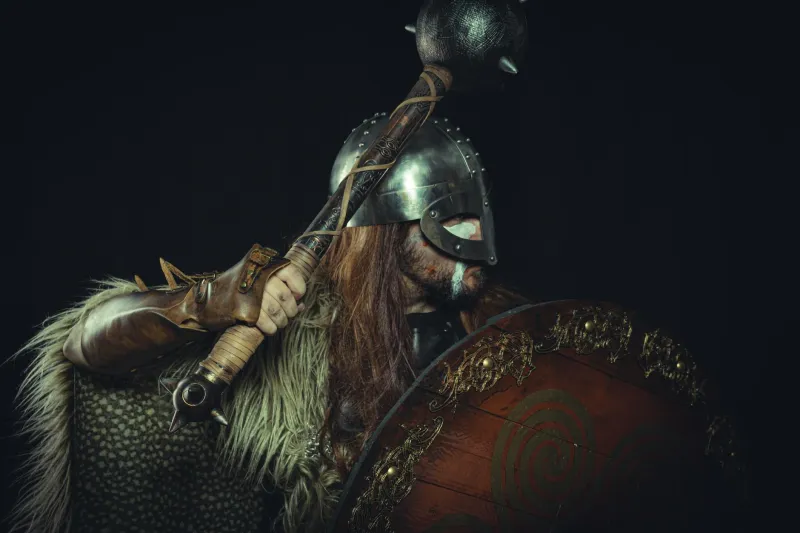
The word "hoplitodromos" literally translates to "race in armor," and it was exactly what it sounds like. Competitors wore the full gear of a hoplite—the heavily armored infantry soldiers who formed the backbone of Greek armies. We're talking bronze breastplate, greaves (shin guards), helmet, and most importantly, the hoplon shield that gave these warriors their name.
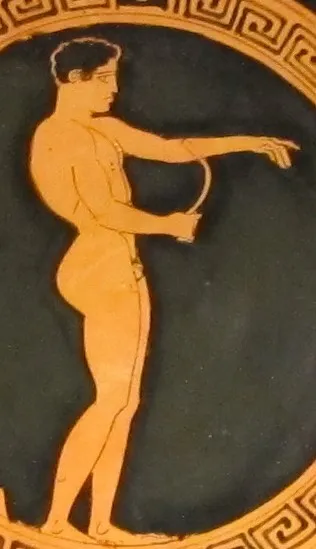
Unlike the nude athletes competing in other events, hoplitodromos runners were fully suited up for war. The race typically covered one or two stadia (roughly 200-400 meters), making it a brutal test of speed, strength, and endurance all rolled into one.
What made this event special wasn't just the physical challenge—it was the symbolism. In a culture where the line between athlete and warrior was razor-thin, the hoplitodromos represented the ultimate fusion of athletic excellence and military prowess.
The Warrior-Athlete Ideal That Never Died
The Greeks weren't just showing off with this event. They were solving a real problem: How do you keep your citizen-soldiers in fighting shape during peacetime? The answer was to make military fitness a spectator sport.
Every Greek city-state depended on its citizens to drop their plows and pick up spears when war came calling. The hoplitodromos ensured that when that moment arrived, these men could move fast and fight hard while carrying the heavy equipment that kept them alive in battle.
This wasn't theoretical training, either. Greek warfare relied on the phalanx formation—tightly packed rows of heavily armored soldiers moving as one unit. If you couldn't keep up while carrying your gear, you weren't just letting yourself down—you were endangering every man in your formation.
America's Military Rediscovers Ancient Wisdom
Fast-forward 2,500 years, and the U.S. military has essentially reinvented the hoplitodromos without realizing it. Today's Army Combat Fitness Test includes events that would make ancient Greek warriors nod in approval: soldiers sprint while carrying equipment, drag heavy sleds, and complete obstacle courses in full gear.
The Marine Corps' Combat Fitness Test goes even further, requiring Marines to run 880 yards while carrying ammunition, perform combat-related movements, and complete the course in fighting order. Sound familiar?
It's not just the military, either. The explosion of obstacle racing in America—from Tough Mudder to Spartan Race—taps into the same warrior-athlete tradition that the Greeks pioneered. These events combine running with functional strength challenges, often while carrying heavy objects or wearing weighted gear.
The Science Behind Ancient Madness
Modern sports science has vindicated what the Greeks figured out through trial and error: training with additional weight builds both strength and cardiovascular endurance in ways that separate training can't match.
When you force athletes to maintain speed while carrying extra load, you're training multiple energy systems simultaneously. The cardiovascular system works overtime to deliver oxygen to muscles that are already stressed from the additional weight. Meanwhile, the neuromuscular system adapts to maintain coordination and power output under challenging conditions.
This is exactly what made hoplitodromos champions so valuable on the battlefield. They had trained their bodies to perform explosive movements while fatigued and encumbered—precisely the conditions they'd face in combat.
Lost Champions, Lasting Legacy
Unfortunately, we know frustratingly little about the individual champions of this event. Ancient records focused more on the prestige events like the stadion and wrestling. But we do know that winning the hoplitodromos carried enormous social status—these weren't just athletes, they were proven warriors.
The event disappeared when the ancient Olympics ended in 393 AD, but its DNA lives on in every military fitness test, every weighted ruck march, and every obstacle race that challenges participants to move fast while carrying heavy loads.
Why This Forgotten Race Still Matters
In our age of specialized training and single-sport focus, the hoplitodromos reminds us that the Greeks understood something we sometimes forget: real-world performance often requires multiple skills working together under stress.
Whether you're a soldier carrying gear into combat, a firefighter climbing stairs in full equipment, or just someone who wants to be functionally fit for whatever life throws at you, the ancient Greeks had already figured out the training formula.
The next time you see someone struggling through a weighted workout or obstacle race, remember: they're not just exercising—they're participating in a tradition that stretches back 2,500 years to a dusty track in ancient Olympia, where warriors proved their worth one armored sprint at a time.